
Smile, San Marcos — Your License Plate May Already Be on Camera |
San Marcos said yes. Vista said “not so fast.” Now the company behind the cameras is changing its rules after a growing national privacy backlash. |
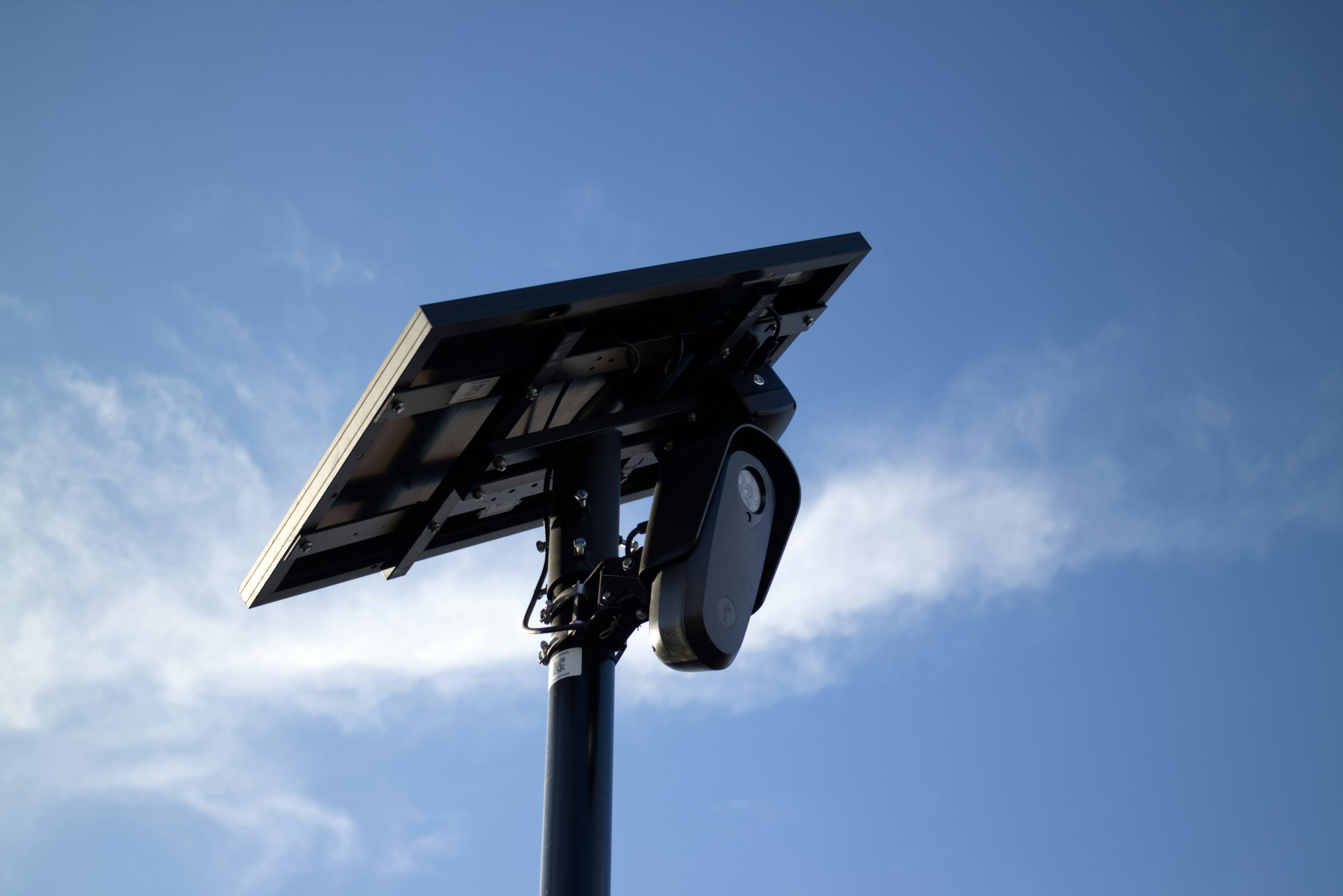
They don't flash. They don't mail you a speeding ticket. And no, there's not somebody sitting in a dark room watching you make a questionable drive-thru decision.
But in San Marcos, automated license plate readers are watching for vehicles.
And suddenly, the little cameras are part of a much bigger conversation.
In May 2024, the San Marcos City Council unanimously approved an agreement with the San Diego County Sheriff's Department to install 10 Flock Safety license plate readers at various entry and exit points around the city. The system was expected to cost roughly $40,000 annually.
Same Sheriff. Two Different Answers.Vista was offered essentially the same technology. Its answer?
Not so fast.
In August 2025, the Vista Sheriff's Station asked the Vista City Council to approve between 12 and 18 Flock cameras, at an annual cost of about $3,000 per camera plus installation.
Sheriff's officials argued the technology had helped law enforcement investigate homicides, kidnappings, sexual assaults, burglaries, vehicle thefts and other serious crimes.
Vista's council unanimously declined the proposal, asking for more information about effectiveness, privacy safeguards and data sharing before moving forward.
So, for now, neighboring Vista and San Marcos have taken noticeably different approaches to the same technology.
And then came Thursday.
Flock Just Changed the RulesOn August 13, Flock Safety announced sweeping new safeguards for its nationwide license-plate-reader network following mounting scrutiny over privacy and reports of improper law-enforcement searches.
One of the biggest changes: Flock says it is reducing its recommended default retention period for ALPR data from 30 days to seven days. The company is also making misuse-detection tools mandatory for law-enforcement customers, requiring searches to be tied to case codes, adding controls over information sharing and creating mechanisms to flag suspicious searches.
That's particularly interesting here.
When San Marcos approved its cameras, residents were told captured information would generally be stored for 30 days, with longer retention allowed when connected to an active investigation.
Now the company itself is recommending seven. Welcome to the debate.
So What Are These Cameras Actually Doing?Flock's readers aren't traditional traffic cameras. They photograph vehicles and capture information including a license plate, date, time and location. Police can then search that information while investigating a crime or receive alerts when a vehicle associated with something such as a stolen-car report passes a reader.
And we don't have to travel far to find an example of them working.
Just last month, on July 12, San Marcos deputies received an ALPR alert for a stolen Kia Forte traveling north on Nordahl Road at Montiel Road. Deputies located the vehicle, and after a vehicle pursuit followed by a short foot chase, arrested the driver. The Sheriff's Department specifically credited the ALPR system with helping deputies locate the stolen vehicle.
That's the argument for them in one tidy little example.
The argument against them is a little more complicated.
The Camera Doesn't Know Who the Bad Guy IsEvery vehicle passing a reader can be captured — not just vehicles belonging to suspected criminals. That's where the privacy debate begins.
Critics worry that large networks of cameras can effectively create searchable records of people's movements. Questions have also been raised nationally about who can search the information, how agencies share it and what prevents an authorized user from searching for a vehicle for an unauthorized reason.
Those aren't entirely hypothetical concerns. Reports of officers allegedly using Flock systems improperly — including searches involving personal relationships — have contributed to the current backlash. More than 50 jurisdictions have ended relationships with Flock, according to the Associated Press.
Flock CEO Garrett Langley acknowledged Thursday that the company needed stronger safeguards and announced the new requirements. Meanwhile, California is considering additional restrictions on ALPR systems through SB 1013, including stronger access protocols, privacy and security training, retention limits and state audits of agencies using the technology.
And That Leaves Us With the $40,000 QuestionSan Marcos residents now have something Vista residents currently don't: a city-supported network of Flock license plate readers.
There is evidence they can help police find stolen vehicles and generate leads quickly.
There's also a legitimate question about how much information government should collect about ordinary people simply going about their day.
And after Flock's announcement this week, there's a new local question worth asking:
Will San Marcos and the Sheriff's Department move from the 30-day retention policy described when the cameras were approved to Flock's newly recommended seven-day standard?
We haven't found a public announcement answering that yet.
That might be the most important part of this story still to come.
Because whether you call them a powerful crime-fighting tool or a surveillance network probably depends on one thing:
How much watching are you comfortable with if the person being watched could be you?
Questions North Valley Residents Are Asking
Does San Marcos use Flock cameras? Yes. San Marcos approved 10 Flock Safety license plate readers in 2024 for placement at various entry and exit points around the city.
Does Vista use Flock cameras? Vista's City Council rejected a Sheriff's Department proposal in August 2025 for 12 to 18 readers and requested additional information before moving forward. We found no subsequent city approval of that proposal.
Do Flock cameras issue speeding tickets? No. These readers are designed primarily to capture vehicle and license-plate information for law-enforcement searches and alerts, not routine automated traffic enforcement.
How long is the information stored? San Marcos was told when it approved the system that information would generally be deleted after 30 days unless connected to an active criminal investigation. On August 13, 2026, Flock announced that it is changing its recommended default retention period to seven days.
Have the cameras actually helped San Marcos deputies? Yes. In July, an ALPR alert identified a stolen vehicle on Nordahl Road, leading deputies to locate the vehicle and ultimately arrest its driver after a pursuit.
Are Flock cameras controversial? Very. Supporters point to stolen vehicles, missing people and serious criminal investigations. Critics raise concerns about mass surveillance, misuse, data sharing and the ability to reconstruct people's movements.
What do you think: smart crime-fighting technology — or one camera too many? |



13 Comments
Join the conversation
Heard stories about officers misusing the system in other places. Would want more rules and actual penalties here before saying yes.
We need these. Crime is getting worse. If you drive legal, what’s there to worry about?
Saw those little camera boxes go up but didn’t know what they were for. Kinda creepy that they’re just grabbing every plate.
What I want to know is who gets to actually access these searches. Feels like people could snoop when they shouldn’t.
Interesting how the company had to change the rules. Makes me wonder if they even had control over info before this?
I’d rather have my car watched than get it stolen. I get the privacy argument but it feels overblown sometimes.
$40,000 a year is a LOT. Couldn’t that money go to more police patrols or something else?
Honestly as long as they’re not using it for speeding tickets or petty stuff, I’m OK with it. Too many stolen cars out here.
Ken R.I get where you’re coming from, theft feels way up lately. I just hope they keep it focused on actual crimes, not tracking everyone for small things.
Not a fan of more surveillance. Just because it helped once doesn’t mean it’s worth the privacy cost.
Glad Vista didn't just jump in. I want to hear more about how the info can get misused before we put these up everywhere.
If they actually helped catch a car thief, then that’s a plus. But still not sure I trust all that data being kept, even for 7 days.
I get wanting to stop crime but I don’t really love the idea of my car being tracked every time I drive through town. Feels weird.